
What to Do for a Sudden Lower Back Spasm Right Now
- Bill Smith
- Aug 21
- 8 min read

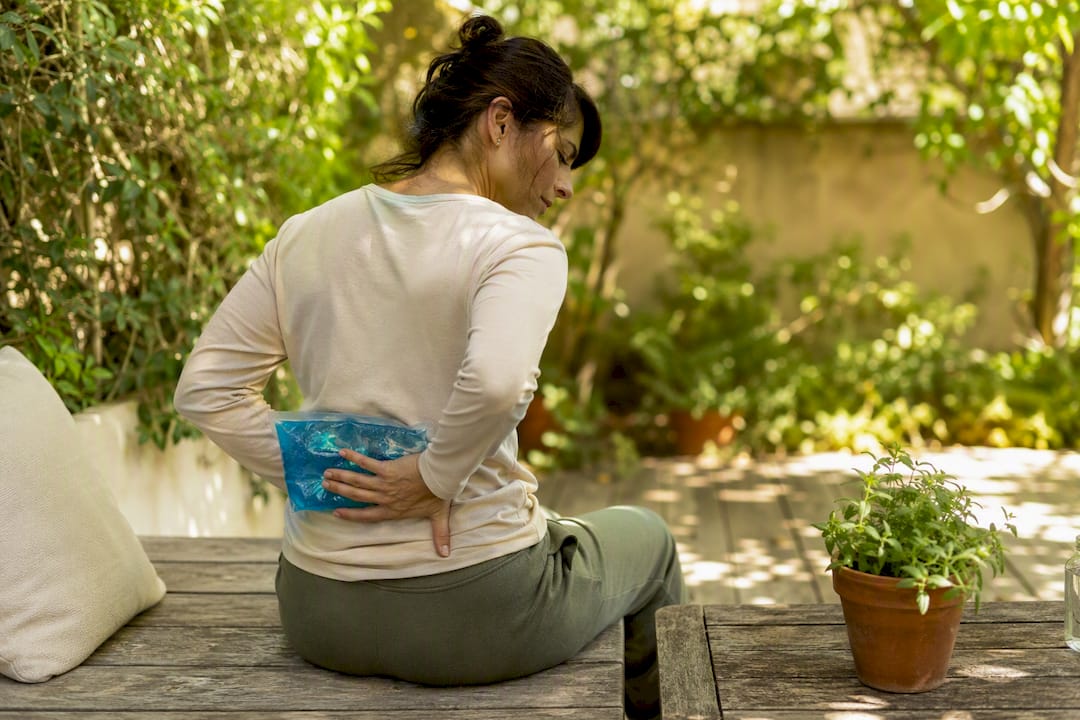
The best lower back spasm treatment in the first hour is simple: stop whatever movement triggered it, rest for a short while, and apply ice. If you’re safely able to take an over-the-counter NSAID or acetaminophen, do that too, then start easing back into gentle movement as soon as you can tolerate it.
We know how frightening that sudden clench in your lower back can feel, especially when it hits mid-motion and leaves you frozen in place. Take a breath. Most of these spasms are your body’s way of protecting an irritated muscle, and they respond well to a few practical steps taken in the right order.
Here’s your immediate action plan:
Stop the triggering movement and find a comfortable position, sitting or lying down.
Apply ice wrapped in a thin towel for 20 minutes at a time.
Take a labeled dose of an NSAID like ibuprofen or naproxen, or acetaminophen, if it’s safe for you.
Rest briefly, but don’t stay still for long.
Walk short distances as soon as you’re able, even if it’s just to the kitchen and back.
Avoid heavy lifting, twisting, or intense deep-tissue massage while the spasm is acute. Skip extended bed rest, too. Most acute back spasms noticeably improve reasonably quickly with home treatment, according to Mayo Clinic. If you notice numbness, leg weakness, fever, or loss of bladder control, that timeline doesn’t apply, and you need to care today.
Key Takeaways
Effective lower back spasm treatment combines early ice and short-term rest with prompt, gentle movement, since prolonged inactivity delays healing more than it helps.
Point | Details |
Act fast, but gently | Ice for the first 48 to 72 hours, then switch to heat, and avoid heavy lifting or deep massage. |
Movement beats bed rest | Short frequent walks speed recovery more than staying still, per Mayo Clinic. |
Medication supports, doesn’t cure | NSAIDs or acetaminophen ease pain within label limits, while muscle relaxants require short, cautious use. |
Know your red flags | Loss of bladder control, leg weakness, fever, or trauma means urgent care, not home treatment. |
Rehab prevents repeat spasms | Compassion Chiropractic pairs adjustments and electrotherapy with guided rehab to restore mobility and reduce recurrence. |
Table of Contents
Lower Back Spasm Treatment Starts With Knowing What’s Happening
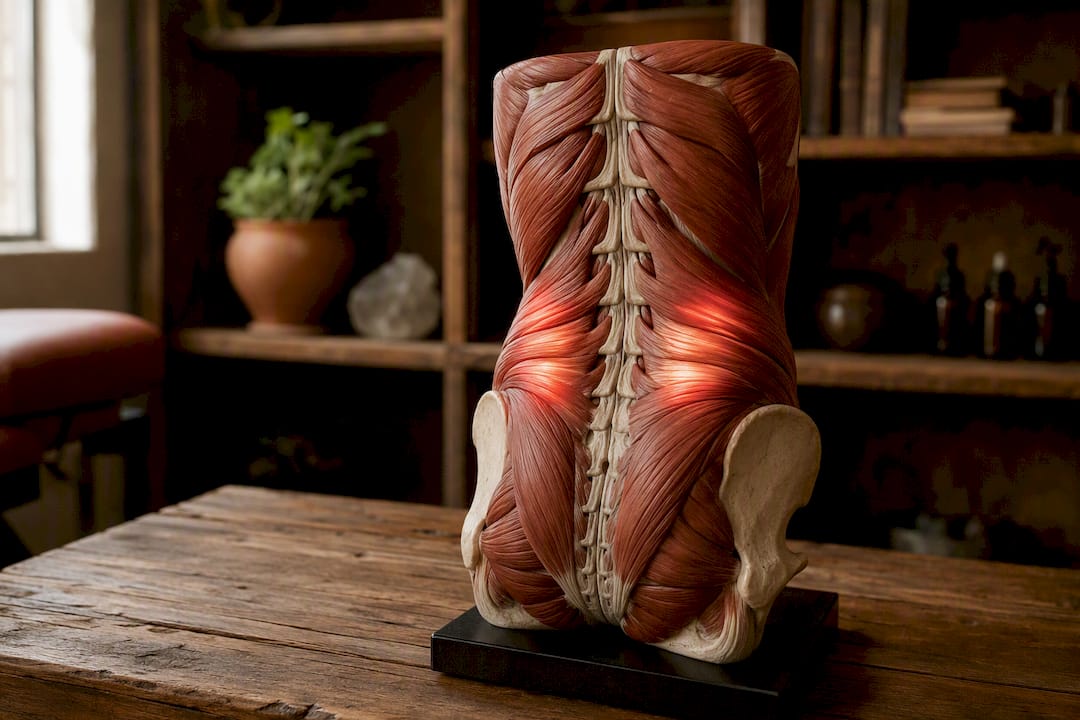
A lower back spasm feels like a sudden, involuntary tightening of the muscle, usually sharp, localized, and stubborn about letting you move freely. Some people describe it as a vice grip; others feel a visible twitch under the skin. The pain tends to spike with certain positions, easing when you find that one “safe” angle and refusing to budge from others.
Most spasms trace back to something mechanical:
Muscle strain from lifting something awkwardly or too quickly
Overuse from repetitive bending or twisting
Poor posture held for long stretches, especially at a desk
Sudden awkward movements, like reaching for something while off balance
Less common but more serious causes include a herniated disc, a spinal fracture, an infection, or in rare cases a tumor pressing on nearby structures. These usually come with additional clues: numbness running down a leg, progressive weakness, unexplained fever, or pain that doesn’t ease no matter your position.
Here’s a mechanism worth understanding: what you’re feeling is often a protective muscle spasm, your body’s automatic splinting response to an underlying injury, tightening the area to prevent further damage. It’s a smart system in theory, but it can backfire. Guarding the area too aggressively, or avoiding movement out of fear, tends to prolong the very spasm it’s trying to protect you from, according to Cleveland Clinic. That’s part of why modern guidance leans toward movement rather than stillness.
Immediate At-Home Relief: Ice, Heat, and Gentle Movement
Once you know a mechanical strain is the likely culprit, home care is where you’ll make the fastest progress. The sequence matters more than most people realize.
Ice first, heat later. For the first 48 to 72 hours, apply ice for a short, timed period at a time, always with a cloth barrier between the pack and your skin. After that window, switch to heat, which increases blood flow to the area and helps loosen the tightened muscle, a protocol outlined by Kaiser Permanente.
Find your position. Many people get relief lying in a fetal position with a pillow between the knees, or on their back with a pillow under the knees to flatten the lower spine. Test a few until one clearly beats the others.
Move sooner than you think you should. Short, frequent walks, even just a few minutes at a time, keep blood flowing and prevent the muscle from stiffening further. Avoid staying in bed beyond the first day; prolonged rest can weaken the muscles you’re trying to heal.
Be careful with self-massage. Gentle pressure can help, but skip aggressive percussive massage guns during an acute, severe spasm. That level of force can actually intensify muscle guarding rather than relax it.
Stay hydrated. Muscle tissue that’s dehydrated or low on electrolytes is more prone to cramping, so water and a balanced diet support the healing process alongside everything else.
Pro Tip: Set a timer for your ice sessions instead of guessing. Twenty minutes on, at least 40 minutes off, gives your skin time to recover and keeps the treatment consistent enough to actually work.
If you’re following this routine and seeing zero improvement after several days, that’s your signal to loop in a clinician rather than keep pushing through alone.
Medication Options for Muscle Spasm Lower Back Relief
Medication won’t fix the underlying strain, but it buys you comfort while your body does the real work of healing.
NSAIDs like ibuprofen (Advil, Motrin) or naproxen (Aleve) reduce inflammation around the irritated muscle and tend to work well for spasms tied to swelling or overuse.
Acetaminophen (Tylenol) doesn’t address inflammation but can ease pain, and it’s often the safer choice if you have stomach issues, kidney concerns, or take blood thinners.
Both belong on your radar as first-line remedies for back spasms, and Cleveland Clinic lists them among the most commonly recommended options, provided you follow package directions and don’t exceed daily limits.
Muscle relaxants, when prescribed, are generally meant for short-term use, often under 72 hours, since they carry a real risk of drowsiness. Clinicians typically recommend taking them at night and caution about operating machinery while they’re in your system.
Topical analgesics and patches can serve as a helpful adjunct, especially for people who want to limit oral medication.
In more stubborn or nerve-involved cases, a prescriber might escalate briefly to stronger medication, though short opioid courses are used sparingly given their limited long-term benefit for this kind of pain.
Never exceed the labeled acetaminophen dose, and skip NSAIDs entirely if you have a history of ulcers, kidney disease, or are on certain blood pressure medications, unless your doctor says otherwise.
When to See a Doctor for Back Spasms
Certain symptoms mean you shouldn’t wait around for home care to work. Call for urgent evaluation if you notice:
Loss of bladder or bowel control
Progressive weakness or numbness in one or both legs
A high fever alongside back pain
Pain following a significant fall, car accident, or other major trauma
Outside those red flags, timing still matters. If you’ve followed a solid home routine for several days to a couple of weeks with no real improvement, or your ability to work, sleep, or move normally is still impaired, it’s time to bring in a professional rather than keep managing it solo.
Different providers offer different pieces of the puzzle:
Primary care physicians evaluate for underlying causes and refer you onward when something looks atypical.
Physical therapists build structured exercise programs and use hands-on techniques to restore normal movement patterns.
Chiropractors focus on restoring joint mobility, which can directly ease the protective muscle guarding that keeps a spasm locked in place.
Pain specialists step in when nerve involvement is suspected, sometimes offering targeted injections to calm inflammation around a compressed nerve.
Imaging like X-rays or MRIs gets used selectively, usually only when red flags are present or symptoms persist despite weeks of conservative treatment. Surgery stays a last resort, reserved for structural problems like a significant disc herniation that hasn’t responded to anything else. Healthline notes that physical therapy, chiropractic care, massage, and even acupuncture frequently resolve spasms that didn’t fully respond to at-home measures alone.
Building a Rehab Plan That Prevents the Next Spasm
Getting through the acute phase is only half the job. The real prevention work starts once the sharp pain fades and you’re ready to rebuild strength and mobility.
Start with light aerobic activity. Walking remains one of the simplest, most effective ways to keep your spine mobile without overloading it.
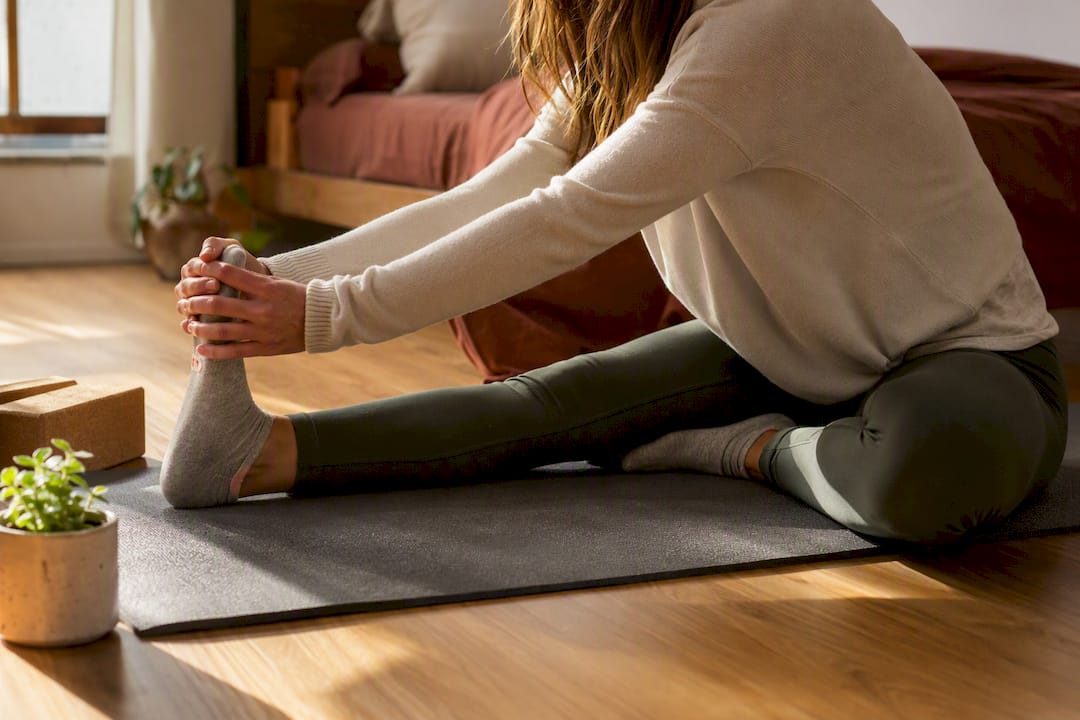
Layer in gentle stretches. Once daily pain has eased, movements like pelvic tilts help restore range of motion without provoking a fresh spasm.
Progress to strengthening. Exercises like bird-dogs target your core, glutes, and hamstrings, the support system that keeps your lower back from bearing all the load on its own.
Avoid anything that reproduces sharp pain. A little muscle soreness is normal; a return of that sharp, spasming sensation means you’ve pushed too far too fast.
Beyond the exercises themselves, small daily habits do a lot of the heavy lifting for prevention. Practicing proper lifting technique, bending at the knees rather than the waist, keeping loads close to your body, and paying attention to your posture during long stretches of sitting all reduce the mechanical stress that triggers spasms in the first place. Staying consistently active, keeping your weight in a healthy range, and sleeping in a position that supports your spine round out a solid prevention routine.
Pro Tip: If bending to tie your shoes reliably triggers tightness, that’s a strong sign your hip and hamstring flexibility need attention, not just your lower back itself.
A structured stretching and rehabilitation program tailored to your specific movement patterns tends to outperform generic exercise lists, since it accounts for exactly where your body is losing mobility.
How Compassion Chiropractic Approaches Lower Back Spasms
Walk-in care means you don’t have to wait through a spasm wondering when you’ll get seen. At Compassion Chiropractic, we assess what’s driving the tightness, then move quickly into short-term pain control before shifting you toward active rehabilitation designed to keep the spasm from coming back.
Our approach typically includes:
Hands-on chiropractic adjustments to restore joint mobility and ease protective muscle guarding
Electrotherapy and other modalities to calm acute pain
Guided rehabilitation and stretching once the acute phase settles
Access to recovery tools, including massage chair sessions, to support ongoing comfort
Nutritional counseling for patients whose recovery benefits from broader lifestyle support
We’ve built this model since 2009 around one idea: healing shouldn’t be complicated or unaffordable. If home care hasn’t moved the needle after a week or two, or you simply want hands-on guidance from the start, in-clinic care is worth exploring.
A Word of Encouragement on Recovery
Most lower back spasms heal, and they heal faster when you stay gently active rather than waiting them out on the couch. What we see most often isn’t a mystery injury. It’s someone who tightened up, got scared to move, and unintentionally slowed their own recovery.
Give yourself grace during the first few days, then trust the process of gradual movement. If something feels off beyond typical soreness, or the spasm keeps returning, that’s worth a real evaluation rather than another round of guessing. Compassion Chiropractic exists for exactly that moment, offering care that’s affordable and judgment-free.
— James
Get Hands-On Relief Without the Wait
Ice and rest handle the first 48 hours, but a spasm that keeps returning usually needs hands-on correction, not another round of the same home remedies. Compassion Chiropractic runs on a walk-in model, so you can get assessed the same week you feel that first tightness, without a long intake process standing between you and relief.
Our team evaluates what’s actually driving the guarding in your lower back, then combines targeted adjustments with electrotherapy and guided rehab to get you moving normally again. Sessions are priced per visit with a donation option for anyone who can’t cover the full cost, so affordability never has to be the reason you skip care. If your spasm hasn’t eased after a few days of home treatment, or you’d rather start with a professional assessment now, book an appointment online and get on the schedule this week.
Sources
This article is general information, not a substitute for advice from a qualified doctor. Consult a qualified healthcare professional about your own circumstances before acting on anything here.
Recommended
Comments