
Can an Infrared Sauna Actually Ease Your Back Pain?
- Bill Smith
- Aug 19
- 7 min read


Infrared sauna therapy can meaningfully reduce chronic muscular low-back pain when you use it regularly as part of a broader care plan, not as a stand-alone fix. In one clinical study, patients completing a 10-session dry sauna protocol saw median pain scores fall from 5 to 3, and 65% reported at least a 30% reduction in pain. That is real, measurable relief for the kind of muscular and myofascial back pain so many of us carry around, as supported by clinical evidence.
Here is what matters before you climb in:
Best evidence supports chronic muscular or myofascial pain, not structural spine disease like herniated discs or fractures.
If you have heart disease, are pregnant, or have an acute injury with active swelling, talk to a clinician first.
When in doubt about what is causing your pain, get it checked before you self-treat with heat.
Key Takeaways
Infrared sauna therapy works best as a regular adjunct to hands-on care for chronic muscular low-back pain, not as a solo cure for structural spine problems.
Point | Details |
Evidence supports muscular pain | A 10-session dry sauna protocol brought 65% of patients to a 30% or greater pain reduction. |
Mechanism is circulation and inflammation | Heat widens blood vessels and lowers inflammatory markers like TNF-α and CRP. |
Start slow and track results | Try 45 to 50°C for 10 to 15 minutes, 2 to 3 times weekly, logging pain on a 0 to 10 scale. |
Know your contraindications | Skip or delay sauna use with unstable heart disease, pregnancy, or active inflammation. |
Pair it with clinical care | Chirocompassion offers supervised infrared sauna sessions alongside chiropractic adjustments and rehabilitation. |
Table of Contents
What the Clinical Evidence Says About Sauna and Back Pain
The strongest data point we have comes from a study of low-back-pain patients who completed ten sauna sessions and were tracked using the Numeric Rating Scale and the Oswestry Disability Index, a standard tool for measuring how much back pain limits daily function. Pain scores dropped from a median of 5 to 3, and disability scores improved alongside them. Nearly two-thirds of participants hit a 30% or greater pain reduction, a threshold researchers generally consider clinically meaningful, not just statistical noise.
The number that matters: 65% of patients in that trial achieved at least a 30% drop in pain after ten sauna sessions, a bar most pain researchers treat as a genuinely felt improvement.
Separately, a randomized crossover study found that a single 20-minute infrared sauna session after resistance exercise reduced muscle soreness and softened the usual drop in explosive performance compared to passive recovery. That is a different kind of pain (exercise-induced soreness rather than chronic low-back pain), but it reinforces the same underlying pattern: heat calms overworked tissue.
Weigh these findings honestly, though. Trial sizes tend to be small, protocols vary widely from one study to the next, and a 2025 assessment of post-exercise heat therapy found mixed results, with subjective soreness often improving while objective markers of muscle damage stayed inconsistent. Even the Mayo Clinic notes that while infrared saunas produce exercise-like physiological responses at lower air temperatures, larger and higher-quality trials are still needed. Translation for you: the science backs infrared as a legitimate adjunct for muscular back pain, not a guaranteed cure for every kind of back problem.
How Does Infrared Heat Reduce Back Pain?
Heat does not just feel good. It sets off a chain of physiological events that can genuinely calm an aching back, and understanding the mechanism helps you use the therapy with more confidence rather than blind hope.
Vasodilation and circulation: Infrared heat widens blood vessels, increasing blood flow to tense, oxygen-starved muscle tissue and helping clear the metabolic byproducts that build up around inflamed or overworked spots.
Inflammatory modulation: Research on sauna therapy in rheumatic conditions shows it can reduce pro-inflammatory markers like TNF-α and CRP, while also triggering heat-shock proteins that support tissue repair.
Nerve and muscle calming: Sustained warmth lowers the excitability of peripheral nerves and relaxes tight muscle fibers, which often translates directly into less perceived pain, even before any measurable structural change occurs.
Pro Tip: Warm tissue stretches more easily than cold tissue. If your back is often stiff first thing in the morning, a short infrared session before gentle mobility work can make that stretching routine far more productive.
What Session Length and Temperature Work Best for Back Pain?
Trial protocols give us a real starting point, though your own tolerance should guide the specifics. Dry sauna studies tended to use higher heat for shorter windows, while infrared protocols generally ran cooler panel temperatures for slightly longer sessions, since infrared heats the body directly rather than warming the surrounding air first.
Start conservatively. If you are heat-sensitive or new to sauna therapy, try 45 to 50°C for 10 to 15 minutes, two to three times a week.
Build toward a therapeutic rhythm. Many trial protocols used two to five sessions a week over several weeks to reach the outcomes described above.
Track your response. Keep a simple pain diary using a 0 to 10 scale (the NRS/VAS format researchers use) and note specific activities that felt easier or harder that day.
Timeline to expect: Meaningful, measurable improvement in pain and disability scores typically takes 4 to 8 weeks of consistent sessions; a single session mostly shifts how sore you feel that day, not your underlying condition.
If your pain worsens, spreads, or comes with numbness or tingling down a leg, stop and check in with a provider rather than pushing through.
Who Should Avoid Infrared Sauna Therapy?
Heat therapy is remarkably safe for most people, but it is not risk-free, and a few groups need to proceed with real caution or skip it entirely.
Anyone with unstable cardiovascular disease or a recent heart attack should get medical clearance before using a sauna at all.
Pregnancy calls for a conversation with your obstetrician first, since core temperature elevation carries its own risks.
Active infection or acute inflammation can worsen with heat; wait until swelling has calmed before introducing warmth.
Diuretics, beta-blockers, and other blood-pressure medications can interact with heat exposure and increase dehydration or dizziness risk.
Multiple sclerosis and certain heat-sensitive neurological conditions may flare with sauna use.
Pro Tip: Never combine sauna sessions with heavy alcohol use, and always rise slowly afterward. That lightheaded feeling when standing too fast is orthostatic hypotension, and it is one of the most common (and most avoidable) sauna mishaps. Hydrate before and after every session, and skip the sauna entirely if you plan to drive somewhere shortly afterward and feel less than sharp.
Can You Combine Infrared Sauna With Chiropractic Care?
Sequencing matters more than most people realize. A brief infrared session before gentle stretching warms tissue and can make mobility work noticeably more effective, while a session afterward tends to serve relaxation and recovery instead. Either order can work; what matters is matching the timing to your goal that day.

Muscular and myofascial pain responds well to heat. Structural concerns, red-flag symptoms like unexplained weight loss, or pain that radiates with numbness deserve a hands-on assessment first, not a home remedy.
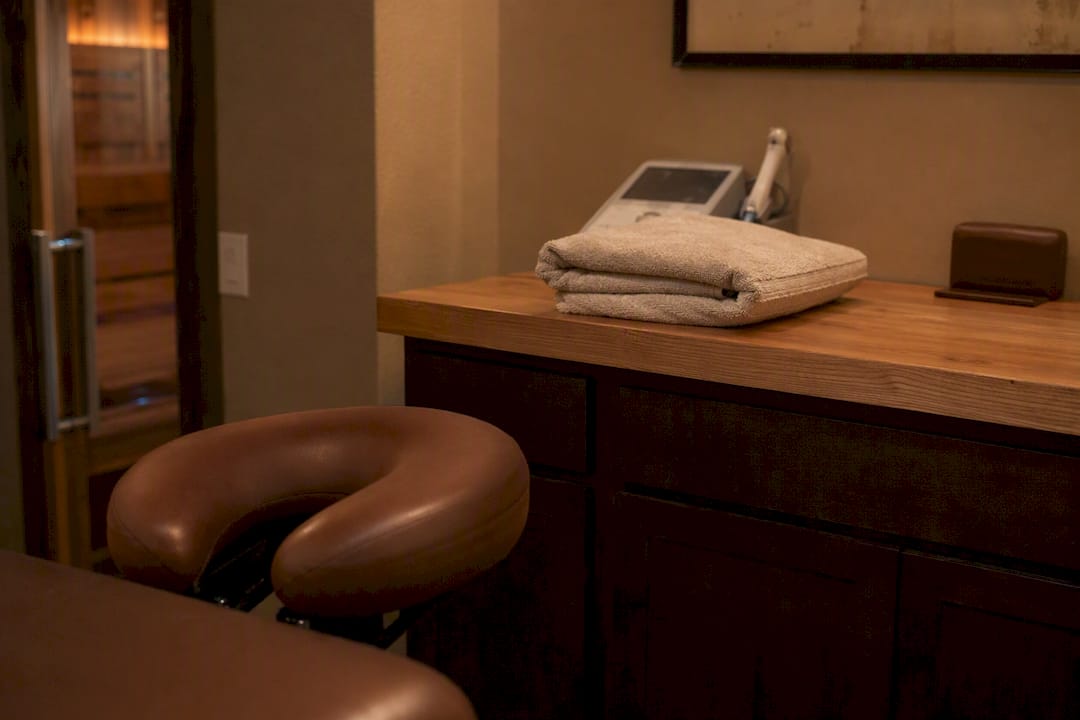
At Chirocompassion, we built our care model around that distinction. Alongside our on-site infrared sauna, we offer chiropractic adjustments, rehabilitation, massage chair access, and ultrasound therapy, so your sauna session fits into a plan built around your actual diagnosis, not a guess.
A Clinician’s View on What Patients Really Experience
Patients rarely walk in expecting an overnight cure, and that is the right mindset. What we see most often is gradual relief: less stiffness in week two, easier mornings by week four, and a clearer sense of which activities their back can handle again. Healing tends to be steady, not dramatic, and that steadiness is worth trusting.
Try a Supervised Infrared Sauna Session at Compassion Chiropractic
Reading about heat therapy only gets you so far. Compassion Chiropractic gives you a supervised way to actually try it, with a licensed team watching your response and adjusting your plan alongside hands-on care, not a home unit you are left to figure out alone.

Since 2009, our walk-in model has kept chiropractic care affordable and stress-free, with a donation-based option for anyone who cannot pay full price. Our on-site infrared sauna pairs naturally with chiropractic adjustments and rehabilitation, so your first session becomes part of a real plan for your back, not a one-off experiment. If you are ready to see whether infrared heat helps your specific pain, book your visit online and we will start with a proper assessment before your first sauna session.
Frequently Asked Questions
Does an infrared sauna help chronic back pain? Yes, for many people with chronic muscular or myofascial back pain, regular infrared sauna use paired with movement and hands-on care can meaningfully reduce pain over several weeks.
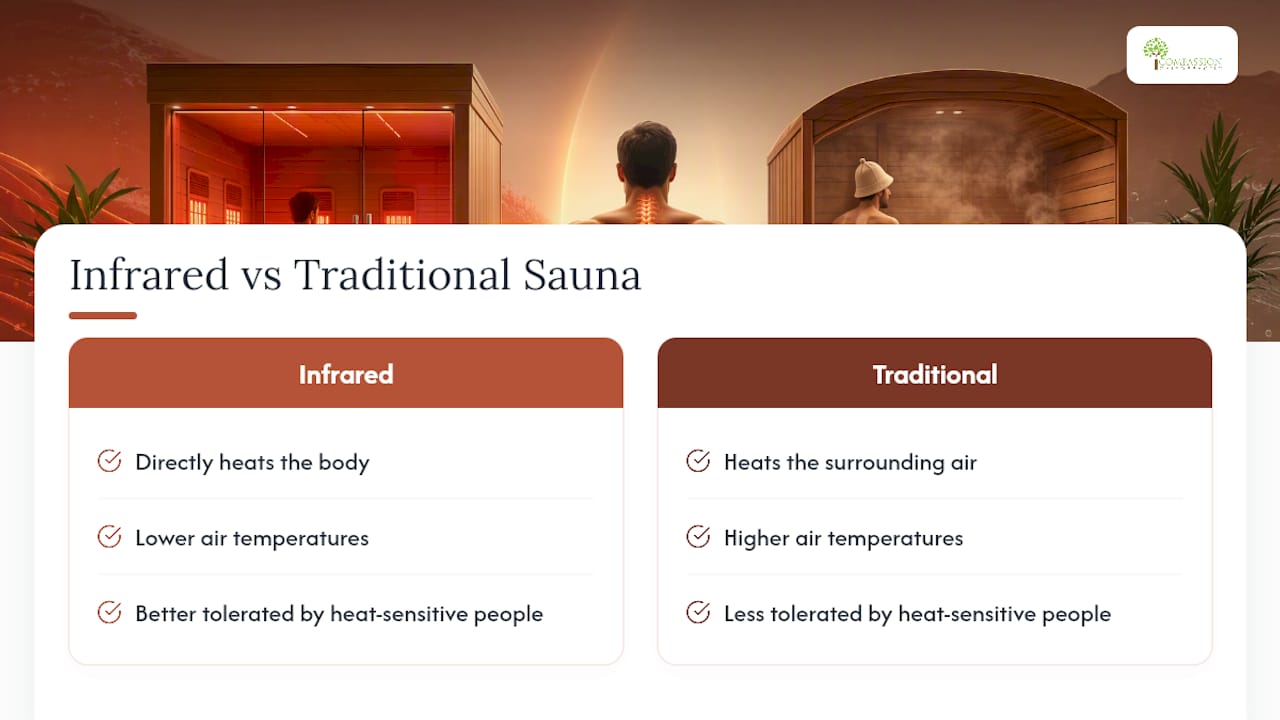
How is infrared sauna different from a traditional dry sauna for pain relief? Infrared heats your body directly at lower air temperatures, which tends to be better tolerated by heat-sensitive people, while traditional saunas heat the surrounding air to higher temperatures first.
How often should I use infrared sauna for back pain relief? Most beneficial protocols use two to five sessions a week, with noticeable improvement in pain and function typically emerging after four to eight weeks of consistent use.
Is infrared sauna safe for acute back injuries? Not right away. Heat can worsen swelling during active inflammation, so it is best to wait until the acute phase settles and get clearance from a provider first.
Can I use infrared sauna with chiropractic treatment? Yes, and the two often work well together. A supervised session before or after your adjustment can support the goals your chiropractor is working toward that day.
This article is general information, not a substitute for advice from a qualified doctor. Consult a qualified healthcare professional about your own circumstances before acting on anything here.
Sources
Recommended
Comments