
Cryotherapy for Back Pain: What the Evidence Really Shows
- Bill Smith
- 5 days ago
- 12 min read

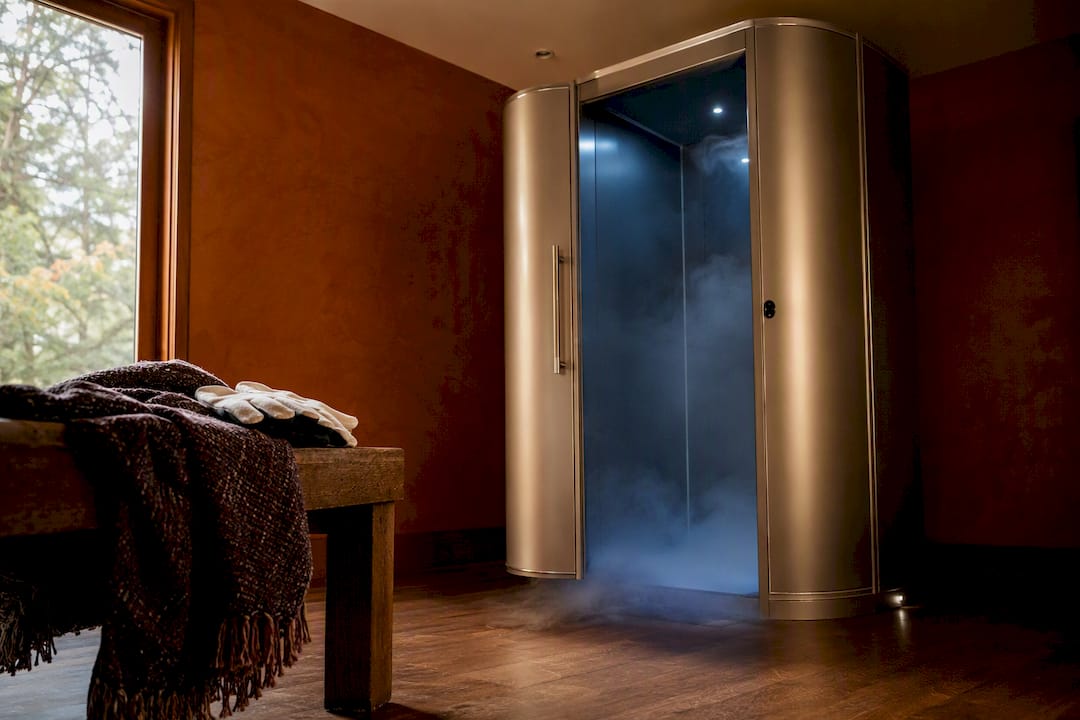
Cryotherapy can ease chronic low-back pain for some people, particularly when it’s delivered as repeated whole-body sessions alongside a rehabilitation program supervised by a professional. The strongest support comes from small trials on chronic low-back pain, not acute strains or one-off sessions. The evidence is encouraging but still limited: most benefit studies show gains building session by session rather than appearing after a single visit, and quality varies across trials.
Before you book a session, know this:
Frostbite and cold-related skin injury are real risks, especially with nitrogen-vapor cryosaunas.
A proper provider screens you for cardiovascular issues, uncontrolled blood pressure, and cold sensitivity before you ever step into a chamber.
Ask your provider what technology they use and whether they screen every patient, not just new ones.
We’ll walk through what the research actually says, how the treatment works on your body, and how to try it safely if you and your care team decide it’s worth pursuing.
Key Takeaways
Cryotherapy shows the clearest benefit for chronic low-back pain when delivered as repeated whole-body sessions inside a supervised rehabilitation program, not as a one-time treatment.
Point | Details |
Evidence is real but limited | Trials show pain reduction building by session four of a multi-week course, with mixed results in sham-controlled studies. |
Technology changes the risk | Air-based whole-body chambers carry lower documented injury rates than nitrogen-vapor cryosaunas. |
Screening is non-negotiable | Cardiovascular disease, cold intolerance, pregnancy, and active infection all rule out a session until cleared. |
Combined care outperforms cold alone | Pairing cryotherapy with TENS or rehabilitation exercise produced better short-term pain relief in trial data. |
Chirocompassion integrates it safely | The clinic combines screened cryotherapy sessions with adjustments and rehabilitation, plus a donation-based option for cost-conscious patients. |
Table of Contents
Cryotherapy for Back Pain: What the Clinical Evidence Says
The most cited trial on this topic followed patients through multiple whole-body cryotherapy sessions over several weeks, each delivered at very low sub-zero temperatures. Researchers tracked pain using the Pain Numeric Rating Scale (PNRS) alongside disability measures like the Oswestry Disability Index (ODI) and the Roland-Morris Questionnaire (RMQ). The quasi-experimental study found statistically significant drops in both pain and disability scores, with patients reporting less pain after several sessions.
Statistic Callout: In that trial, inflammatory marker IL-2 dropped significantly (p=0.046) while IL-10, an anti-inflammatory cytokine, rose (p=0.003), suggesting the treatment may shift the body’s inflammatory balance and not just numb the area temporarily.
A separate study on patients with lumbar spine osteoarthritis combined whole-body cryotherapy with structured exercise. That research published in PMC reported improved spinal mobility along with measurable shifts in endorphin and stress hormone levels, hinting that cryotherapy’s effects may reach beyond the joint and into the nervous system.
Not every trial agrees, though. A double-blind randomized controlled trial comparing 10 sessions at minus 67°C against a sham condition at minus 5°C found both groups improved, with no clear superiority for the colder treatment, according to findings summarized on ScienceDirect. That result matters: it suggests some of the benefit reported in open-label studies could stem from expectation, routine, or the rehabilitation exercises layered alongside the cold exposure, not the cold itself.
Safety data tells a similarly nuanced story. A scoping review from an international research consortium found that documented adverse events are relatively infrequent when medical screening and standard protocols are followed, and that most reported harms trace back to partial-body cryosaunas using nitrogen vapor rather than air-based whole-body chambers.
Put plainly: the evidence for cryotherapy and chronic low-back pain is real but limited, mixed at the highest quality tiers, and still waiting on larger, better-controlled trials before anyone can call it a proven treatment.
How Cold Exposure Might Ease Pain in Your Back
Cold slows nerve conduction velocity. When receptors in your skin and muscles hit near-freezing temperatures, they transmit pain signals more slowly, which can produce a gating effect similar to how rubbing a bruised elbow can dull the ache.
A few mechanisms researchers point to:
Cold-induced analgesia — nerve fibers carrying pain signals slow down, which can blunt the sensation of pain for a window after exposure.
Cytokine shifts — trial data shows drops in pro-inflammatory IL-2 alongside increases in anti-inflammatory IL-10, a pattern that could support reduced tissue inflammation over repeated sessions.
Neuroendocrine response — some studies report changes in endorphin and cortisol levels after sessions, which may explain reported mood lift and pain relief that outlasts the cold itself.
Pro Tip: Ask your provider whether their facility tracks inflammatory markers or just relies on self-reported pain scores. Clinics that understand the biology tend to run tighter, safer protocols.
None of these mechanisms fully explain why some sham-controlled trials show no advantage over a much milder cold exposure. The honest answer is that researchers understand plausible pathways better than they understand which patients will actually respond, and by how much.
Whole-Body, Partial-Body, or Local Cold: What’s the Difference?
Not all “cryotherapy” means the same thing, and the type your provider uses changes both the evidence base and the risk profile.
Whole-body cryotherapy (WBC) uses refrigerated, dry air inside a walk-in chamber, typically for two to four minutes at extreme sub-zero temperatures. Most of the clinical trials behind back-pain claims used this air-based format.
Partial-body cryotherapy (PBC), often called a cryosauna, surrounds the body from the neck down with vaporized liquid nitrogen. It’s cheaper to install than a full chamber, but it’s also where the majority of documented skin injuries and cold burns have occurred, since nitrogen vapor can pool near the skin if a patient stands incorrectly.
Local cold therapy — ice packs, cold compression wraps, and cold plunge tubs — remains the everyday standard of care for acute swelling and localized flare-ups. It’s cheaper, lower risk, and backed by decades of clinical use, even if it lacks the systemic inflammatory changes reported in whole-body trials.
Before booking anywhere, ask directly: is this an air-based chamber or a nitrogen-vapor cryosauna? The difference in safety incidents between the two technologies is significant enough that it should factor into your decision, not just the price on the menu.
What Cryotherapy Can Realistically Do for Your Pain
Cryotherapy tends to produce a small-to-moderate reduction in pain scores over a course of sessions rather than one dramatic before-and-after moment. Trial data shows the effect building: patients in the 20-session study didn’t report meaningful change until roughly the fourth visit, and disability scores continued improving through the full five-week course.
Statistic Callout: Pain reduction in the primary quasi-experimental trial became noticeable by session four of twenty, a pattern that argues against expecting relief from a single visit.
Where the evidence holds up best:
Chronic low-back pain treated with repeated sessions over several weeks
Sports recovery and delayed-onset muscle soreness
As an adjunct alongside structured exercise or manual therapy, not a stand-in for either
Where the claims run ahead of the science:
Weight loss and metabolic boosting
Anti-aging or skin rejuvenation
Anxiety or mood treatment as a standalone intervention
Mayo Clinic’s own review of the evidence urges caution here, noting that many popular claims around whole-body cryotherapy still lack solid backing, even as interest in the treatment grows. For straightforward, localized swelling right after a strain, a simple ice pack often does the job just as well, at a fraction of the cost and none of the frostbite risk.
Think of cryotherapy as one tool in a broader rehabilitation plan, not the plan itself. The patients who see the best outcomes in the literature paired their sessions with active exercise and ongoing care, not passive cold exposure alone.
Who Should Consider Cryotherapy and Who Should Not
A responsible provider screens every patient before a session, not just the ones who look obviously unwell. The position paper from the WBC Working Group lays out a detailed contraindications list that any serious clinic should be following.
Absolute and relative contraindications include:
Cardiovascular disease or uncontrolled hypertension
Cold intolerance or Raynaud’s phenomenon
Certain hematologic disorders and severe anemia
Pregnancy
Active chemotherapy treatment
Fever or active infection
Open skin lesions or unhealed wounds in the treatment area
Temporary exclusions that should postpone a session:
Acute illness or general malaise
Recent alcohol or drug use
Uncontrolled blood pressure on the day of the visit
Pro Tip: If a facility doesn’t ask about your blood pressure, medication list, or history of neuropathy before your first session, that’s a red flag worth acting on. Screening isn’t a formality; it’s the entire point of safe practice.
A thorough screening should also cover whether you’ve ever had an unusual reaction to cold, since undiagnosed cold urticaria or peripheral neuropathy can turn a routine session into an emergency.
How to Try Cryotherapy Safely
If you and your provider decide cryotherapy is worth attempting, a few concrete steps reduce your risk considerably.
Confirm the technology. Air-based whole-body chambers carry a different risk profile than nitrogen-vapor cryosaunas.
Complete a real screening. Blood pressure, medication review, and questions about cold sensitivity should happen before your first session, not after.
Dress correctly. Dry skin and protective coverings on hands, feet, and ears matter more than people expect, since moisture dramatically raises the risk of a cold burn.
Know the session parameters. Most whole-body sessions run two to four minutes; anything dramatically longer without medical justification is worth questioning.
Ask about emergency protocols. A staffed facility should know exactly what to do if someone reports persistent numbness or shows signs of distress.
Watch for these warning signs during or after a session:
Numbness that doesn’t resolve within minutes of leaving the chamber
Blistering, discoloration, or unusual skin texture
Difficulty breathing or dizziness
Chest pain or irregular heartbeat
If any of these occur, tell staff immediately and seek medical evaluation. The American Academy of Dermatology notes that skin injuries like frostbite and cold panniculitis are documented risks, and that the FDA has not approved whole-body cryotherapy as safe or effective for treating any medical condition. That doesn’t mean it can’t help; it means it should happen under supervision, not as a solo experiment.
How Cryotherapy Fits Into Rehabilitation at a Clinic
At Chirocompassion, cryotherapy is never handled as a stand-alone gimmick. A supervised approach looks like this: clinical assessment first, informed consent next, then cryotherapy sessions layered into a broader rehabilitation plan that includes chiropractic adjustments, therapeutic exercise, and modalities like TENS.
That combination isn’t just convenience. A randomized controlled trial on combined protocols found that pairing cryotherapy with burst TENS produced greater immediate and short-term pain relief than either technique used alone, which supports exactly the kind of layered care a rehabilitation-focused clinic can offer.
Cold exposure works best as one part of a coordinated plan, not as a therapy you do in isolation and hope for the best. Combining it with hands-on care and targeted exercise gives your body more than one path toward relief.
What this looks like in practice at a walk-in clinic model:
A quick intake and screening before any cold exposure, no exceptions
Session tracking so you and your provider can see whether pain and mobility are actually trending in the right direction
Adjustments and rehabilitation exercises scheduled around cryotherapy, not disconnected from it
Chirocompassion has offered accessible, personalized chiropractic care for many years, with a walk-in model built specifically so people don’t have to wait weeks for an appointment while their pain gets worse. You can review the full range of rehabilitation services offered alongside cold therapy.
What Happens After Your Cryotherapy Sessions End
Relief from a five-week course of cryotherapy doesn’t necessarily last on its own. The inflammatory marker shifts and pain reductions reported in trials describe what happens during active treatment, not what happens six months later without any follow-up.
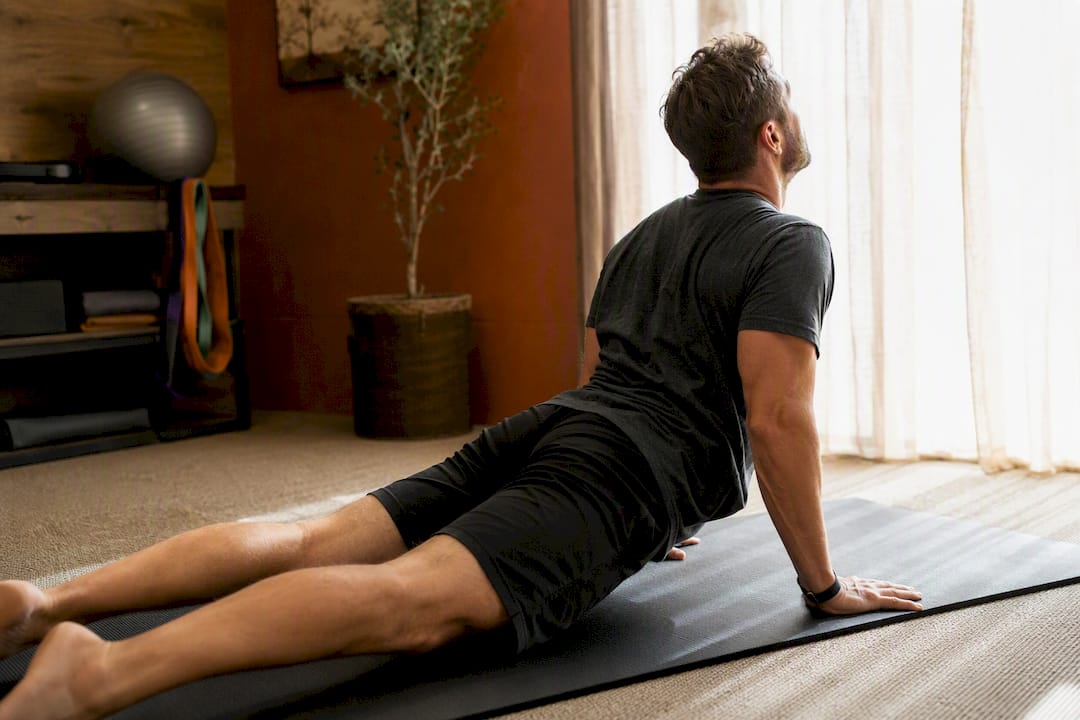
Maintenance matters more than the initial course. Patients who paired cryotherapy with ongoing exercise and periodic rehabilitation check-ins tend to hold onto their gains longer than those who stopped everything the day their sessions ended. Chronic low-back pain is rarely caused by one isolated factor, so a treatment that targets inflammation and nerve signaling works best when it’s supported by strength work, posture correction, and regular movement.
A sensible long-term plan looks less like a single course of twenty sessions and more like periodic “maintenance” visits spaced out over months, similar to how people use chiropractic adjustments or physical therapy check-ins to stay ahead of flare-ups rather than waiting for pain to return. If your back pain has a structural component, such as disc degeneration or joint dysfunction, cryotherapy addresses the inflammatory and pain-signaling piece, but it won’t correct alignment or mobility issues on its own.
That’s why clinics that track your progress over time, not just session by session, tend to produce better outcomes. Ask whether your provider re-evaluates your pain and mobility scores periodically after your initial course ends, and whether they’ll recommend booster sessions if symptoms start creeping back. A plan with no follow-up built in is a plan that’s likely to need to start over from scratch.
What Cryotherapy Sessions Actually Cost
Pricing varies widely by region and by whether you’re paying per session or buying a package. Single whole-body cryotherapy sessions at standalone wellness studios commonly run in the range typical of premium recovery services, with multi-session packages usually offering a lower per-visit rate than paying one at a time.
Clinic-based cryotherapy, delivered as part of a broader rehabilitation visit, often works differently from a standalone spa model. Because it’s bundled with clinical screening, professional oversight, and integration with other treatments like adjustments or electrotherapy, the value proposition shifts from “how much does one cold session cost” to “what does a supervised recovery plan cost overall.”
A few cost factors worth asking about before you commit to any provider:
Whether pricing is per session or requires a package purchase upfront
Whether medical screening is included or billed separately
Whether combined therapy visits (cryotherapy plus adjustment, for example) cost less than booking each separately
Chirocompassion operates on a fee-for-service model with a donation-based option for patients who can’t cover the full cost, reflecting a broader commitment to making rehabilitation accessible rather than treating it as a luxury add-on. That structure matters most for people managing chronic pain over months or years, where the cost of standalone spa sessions can add up fast without ever touching the underlying rehabilitation work a chiropractor provides.
Real Patients, Real Recoveries
Numbers from clinical trials tell you what’s plausible across a group. They don’t tell you what it feels like to wake up and finally bend down to tie your shoes without wincing. That’s where patient experience fills the gap that a p-value never can.
Compassion Chiropractic’s testimonials describe patients who came in with years of chronic back pain and mobility limitations, and who found consistent improvement once cryotherapy and other holistic therapies were folded into a structured chiropractic plan. These aren’t stories of miracle cures after one session; they’re stories of steady progress across weeks of combined care, which lines up with what the clinical trial data actually shows about how cryotherapy tends to work.
That consistency between what trials predict and what patients describe in practice is reassuring. It suggests the lab findings aren’t just a statistical artifact; they translate into something people actually notice in daily life, whether that’s an easier morning routine, longer stretches without flare-ups, or simply feeling like their pain is finally being taken seriously by a care team that’s paying attention session over session.
If you’re weighing whether cryotherapy might work for you, the most honest signal isn’t a single glowing review. It’s a pattern of patients reporting similar, modest, cumulative improvement, which is exactly the shape the research predicts.
The Gap Between Cryotherapy’s Reputation and Its Evidence
Cryotherapy gets marketed like a wellness miracle, and that’s the biggest problem with how most people encounter it. The actual research tells a narrower, more useful story: modest, cumulative pain relief for chronic low-back pain, built over weeks, not minutes, and only when paired with real rehabilitation work.
The conventional wisdom oversells the cold and undersells the screening. Most articles spend paragraphs on temperature and seconds on contraindications, when the contraindications list is arguably the more important read for anyone with existing cardiovascular issues or cold sensitivity. That imbalance is backward.
What should you prioritize first? Not the chamber, not the technology brand, not even the price. Find a provider who screens you properly and who treats cryotherapy as one piece of a coordinated recovery plan rather than a stand-alone fix. The trials that show real benefit all share that same structure: repeated sessions, professional oversight, and rehabilitation alongside the cold. Skip any of those three, and you’re mostly just paying for a very cold room.
— James
Try Cryotherapy the Way the Evidence Actually Supports
If everything above tells you one thing clearly, it’s this: cryotherapy works best when it’s screened, supervised, and combined with real rehabilitation care, not booked as a solo spa treatment. That’s precisely how Chirocompassion delivers it.
At Chirocompassion, cryotherapy sits alongside chiropractic adjustments, therapeutic exercise, and electrotherapy inside a single walk-in visit, so you’re never left doing cold exposure in isolation and hoping it sticks. Every new patient gets a proper screening before any therapy begins, which is exactly what the safety research on this page recommends and exactly what a standalone cryo studio often skips. The clinic’s fee-for-service model includes a donation-based option, so cost never has to be the reason you put off getting screened and started.
If your back pain has lingered for weeks or months, the next step is simple: book an appointment online and ask about combining cryotherapy with a personalized rehabilitation plan built around your specific screening results.
This article is general information, not a substitute for advice from a qualified doctor. Consult a qualified healthcare professional about your own circumstances before acting on anything here.
Sources
Recommended
Comments